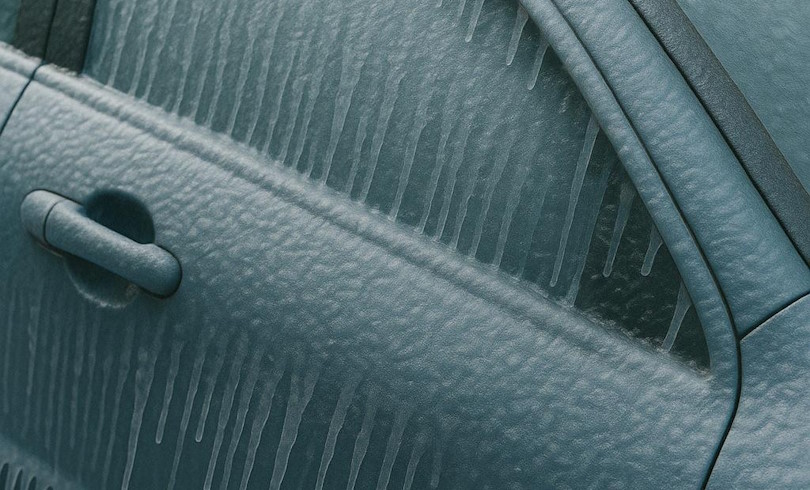
Cold winter mornings are rough enough—but discovering your car door frozen shut can turn a normal commute into a frustrating situation fast. Frozen doors are extremely common in cold, wet weather, especially after snow, freezing rain, or overnight temperature drops.
The good news? There are safe ways to open a frozen car door without damaging your paint, weather stripping, or door lock. Below, we’ll explain why car doors freeze, how to safely open them, and what to avoid so you don’t make the problem worse.
Why Is My Car Door Frozen Shut?
A frozen car door usually happens when moisture gets into door seams, rubber weather stripping, or the lock cylinder. When temperatures drop below freezing, that moisture turns to ice—bonding the door shut.
Common causes include:
- Freezing rain or melting snow overnight
- Water trapped in door seals
- Car washes in cold weather
- Sudden temperature drops
This can affect one door—or leave multiple car doors frozen shut.
How to Open a Frozen Car Door Safely
If you’re asking, “How do you open a frozen car door?” start with these damage-free methods.
1. Try a Different Door First
Before forcing anything, check all doors—including the passenger and rear doors. Sometimes only one door is frozen, giving you access to the vehicle from another side.
2. Gently Push, Don’t Pull
Instead of pulling on the handle, gently push the door inward. This can help crack the ice seal without stressing the handle or hinges.
Avoid yanking—this is how handles and weather stripping get damaged.
3. Warm the Door Seal (Safely)
Applying gentle heat can help melt ice around the seal.
Safe options include:
- Turning on your car and letting interior heat warm the door from inside
- Holding a warm (not boiling) water bottle along the door seam
- Using your hands (with gloves) to warm the rubber seal
Never pour hot water on the door—this can crack glass or damage paint.
4. De-Ice the Door Seal
Spray a commercial de-icer along the door edges and around the frozen car door lock if needed. These products are designed to melt ice without harming paint or rubber.
If you don’t have de-icer, rubbing alcohol (70% or higher) can help melt ice safely.
5. Free a Frozen Car Door Lock
If the lock itself is frozen:
- Use a lock de-icer spray
- Warm your key with your hands before inserting it
- Avoid forcing the key—it can snap inside the lock
A frozen car door lock often thaws quickly with proper de-icing.
What NOT to Do When Your Car Door Is Frozen
When dealing with a car door frozen shut, avoid these common mistakes:
- Do not pull hard on the handle
- Do not use hot water
- Do not pry the door open with tools
- Do not slam the door once it opens
These actions can cause expensive damage to handles, locks, window regulators, and seals.
How to Prevent Frozen Car Doors in the Future
A little prevention goes a long way during winter.
Helpful tips:
- Dry door seals after car washes
- Apply silicone spray to weather stripping
- Park in a garage when possible
- Use a cover during freezing rain
- Keep de-icer in your car
These steps reduce moisture buildup that leads to frozen doors.
When to Call a Professional
If your door won’t open—or you’ve already forced it and something feels off—it’s time for a professional inspection. Frozen doors can damage locks, hinges, and window components without obvious signs at first.
The experienced technicians at Paul’s Auto Repair, LLC can inspect door mechanisms, locks, and seals to ensure everything is functioning properly—especially after extreme cold weather.
Trust Paul’s Auto Repair for Winter Vehicle Issues
From frozen doors and locks to winter starting problems, Paul’s Auto Repair is here to help keep your vehicle reliable and safe all season long. If your frozen car door won’t budge or you’re worried about hidden damage, don’t wait.
Schedule a service appointment today and let our team help you get back on the road—safely.