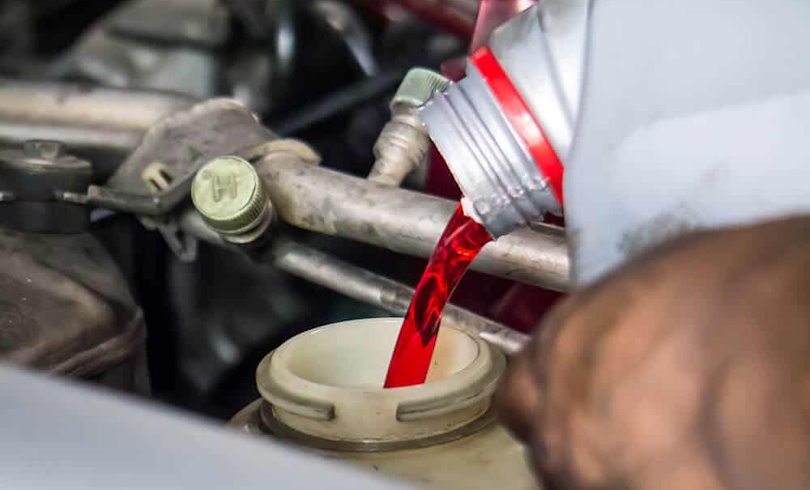
Your vehicle’s transmission plays a critical role in keeping your car running smoothly, yet transmission maintenance is one of the most commonly overlooked services. So how often should you change transmission fluid?
In most vehicles, mechanics recommend changing transmission fluid every 30,000 to 60,000 miles, depending on your driving habits and whether you have an automatic or manual transmission. Some modern vehicles may go longer, but regular inspections are still important.
Below, our experienced mechanics explain how often transmission fluid should be changed, why it matters, and how to know when your vehicle needs service.
What Does Transmission Fluid Actually Do?
Transmission fluid is responsible for several important tasks inside your vehicle’s transmission system:
- Lubricating gears and moving components
- Reducing friction and heat
- Helping your transmission shift smoothly
- Protecting internal parts from wear and damage
Over time, transmission fluid breaks down due to heat and contamination. That’s why transmission fluid changes are essential preventative maintenance.
How Often Should Transmission Fluid Be Changed?
One of the most common questions drivers ask is how often should transmission fluid be changed.
General guidelines include:
Automatic Transmissions
- Every 30,000 to 60,000 miles
Manual Transmissions
- Every 30,000 to 50,000 miles
Newer Vehicles
- Some manufacturers recommend 60,000 to 100,000 miles, but inspection is still important.
If you’re wondering how often you should change your transmission fluid, the best answer is to follow your manufacturer’s recommendation while also considering your driving conditions.
At Paul’s Auto Repair, our technicians recommend checking fluid condition during routine maintenance so issues can be caught early.
How Often Do You Need to Change Transmission Fluid Based on Driving Habits?
Driving conditions can significantly impact how often transmission fluid needs to be changed.
You may need more frequent service if you:
- Drive in heavy stop-and-go traffic
- Tow trailers or haul heavy loads
- Drive in extreme heat or cold
- Frequently drive in hilly areas
- Take many short trips
Under these conditions, mechanics often recommend changing transmission fluid closer to the 30,000-mile range.
Signs Your Transmission Fluid Needs to Be Changed
If you’re unsure how often you should replace transmission fluid, watch for these warning signs that service may be needed:
Delayed or Rough Shifting
If your car hesitates when shifting gears, it may be due to worn or contaminated transmission fluid.
Burning Smell
Overheated transmission fluid can develop a burnt odor.
Dark or Dirty Fluid
Healthy transmission fluid is usually bright red or pink. Dark brown fluid may indicate it’s time for a change.
Slipping Gears
If your vehicle unexpectedly changes gears or struggles to stay in gear, low or degraded fluid may be the cause.
Unusual Noises
Grinding or whining sounds from the transmission may indicate lubrication issues.
If you notice these symptoms, it’s best to have a mechanic inspect your vehicle as soon as possible.
How Often Should You Flush Your Transmission?
Another question drivers ask is how often should you flush your transmission.
A transmission fluid flush replaces nearly all the old fluid in the system and removes contaminants.
Most mechanics recommend a flush:
- Every 60,000 to 100,000 miles (depending on manufacturer recommendations)
- When fluid is heavily contaminated
- If shifting problems develop
However, not every vehicle requires a flush. In many cases, a standard transmission fluid change is sufficient.
Our technicians at Paul’s Auto Repair can recommend the best option for your specific vehicle.
Transmission Fluid Change vs. Transmission Flush
Understanding the difference helps answer transmission fluid change how often versus flushing.
Transmission Fluid Change
- Drains a portion of old fluid
- Replaces it with fresh fluid
- Recommended more frequently
Transmission Flush
- Removes nearly all old fluid
- Cleans the system more thoroughly
- Recommended less frequently
Both services help protect your transmission and extend its lifespan.
What Happens If You Don’t Change Transmission Fluid?
Ignoring transmission maintenance can lead to serious and expensive problems.
If transmission fluid is not changed regularly, you may experience:
- Poor shifting performance
- Overheating transmission components
- Increased wear on internal gears
- Transmission slipping or failure
- Costly transmission repairs or replacement
Considering that transmission replacements can cost thousands of dollars, routine fluid changes are one of the best ways to protect your vehicle.
Trust Paul’s Auto Repair for Transmission Service
Still wondering how often you should change transmission fluid for your specific vehicle?
At Paul’s Auto Repair, our experienced technicians can inspect your transmission fluid, recommend the correct service interval, and perform professional transmission maintenance to keep your vehicle running smoothly.
Whether you need a transmission fluid change, transmission flush, or transmission inspection, our team is here to help.
Contact Paul’s Auto Repair today to schedule your transmission service and keep your vehicle performing at its best.