Your brake rotors play a critical role in stopping your vehicle safely. Working alongside your brake pads, rotors create the friction needed to slow your car down smoothly and predictably. When brake rotors begin to wear out or fail, performance and safety can suffer quickly.
Knowing the signs of bad brake rotors—and understanding when resurfacing brake rotors is an option versus replacing brake rotors entirely—can help you avoid costly repairs and dangerous driving conditions.
Below, we’ll walk through the most common signs you need new brake rotors, explain when brake rotors can be resurfaced, and help you decide the best course of action for your vehicle.
Common Signs of Bad Brake Rotors
Brake rotor issues often develop gradually, which makes early detection important. If you notice any of the symptoms below, it may be time to have your braking system inspected.
1. Vibrations or Pulsing When Braking
One of the most common signs of bad brake rotors is a vibration or pulsing sensation when pressing the brake pedal. This typically occurs when rotors become warped or uneven due to heat buildup over time. You may also feel shaking in the steering wheel, especially during highway braking.
2. Squealing or Grinding Noises
Unusual noises while braking are never something to ignore. Squealing can indicate worn brake pads, but grinding often means the rotor surface is damaged. Continued driving in this condition can cause deeper grooves in the rotor, increasing the likelihood that replacing brake rotors will be necessary instead of resurfacing them.
3. Longer Stopping Distances
If your vehicle takes longer than usual to come to a stop, worn or bad brake rotors may be the culprit. Uneven rotor surfaces reduce friction efficiency, forcing your brakes to work harder and compromising safety.
4. Visible Grooves, Rust, or Scoring
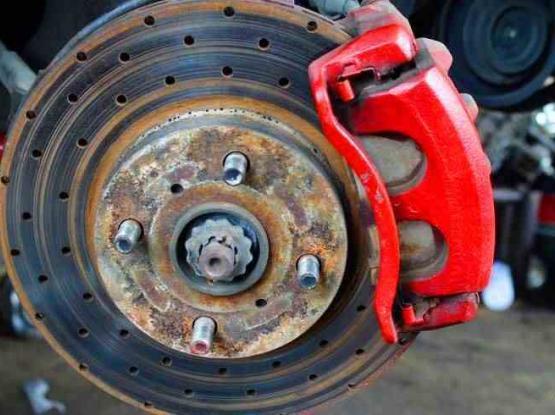
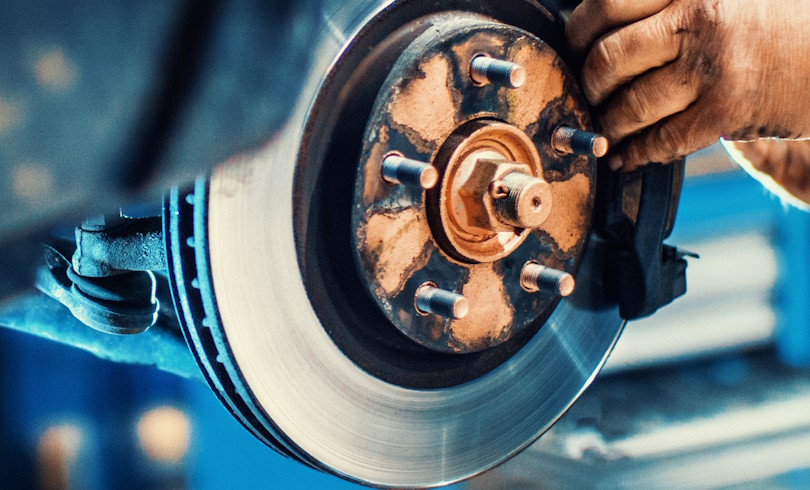
In many cases, signs you need new brake rotors can be seen during a visual inspection. Deep grooves, heavy rust buildup, or scoring on the rotor surface indicate significant wear. While light surface rust can sometimes be addressed, severe damage often means replacement is the safer option.
5. Burning Smell After Braking
A sharp or burning odor after braking—especially after driving downhill or in traffic—can indicate overheated brakes. Excessive heat can warp rotors and accelerate wear, making resurfacing brake rotors less effective or impossible.
Can You Resurface Brake Rotors?
Resurfacing brake rotors involves removing a thin layer of metal from the rotor surface to restore smoothness and even contact with the brake pads. Brake rotors resurfaced properly can extend the life of your braking system when conditions are right.
Resurfacing brake rotors may be an option if:
- The rotors are still above the manufacturer’s minimum thickness
- Warping or scoring is mild
- There are no cracks or structural damage
- The braking issue is caught early
However, not all rotors can or should be resurfaced. Modern vehicles often use thinner rotors, which limits how much material can be safely removed.
When Replacing Brake Rotors Is the Better Choice
In many situations, replacing brake rotors is the safer and more cost-effective solution. You’ll likely need new rotors if:
- The rotor thickness is below minimum specifications
- There are deep grooves or cracks
- The rotors have already been resurfaced multiple times
- Severe warping is present
- Braking performance is significantly compromised
Replacing brake rotors ensures optimal braking performance and helps protect new brake pads from uneven wear.
Resurfacing vs. Replacing Brake Rotors: Which Is Right for You?
Choosing between resurfacing brake rotors and replacing brake rotors depends on rotor condition, vehicle type, and driving habits. While resurfacing may save money upfront, replacement often provides longer-term reliability—especially for high-mileage or performance vehicles.
A professional brake inspection is the best way to determine the safest and most cost-effective option for your specific vehicle.
Schedule a Brake Inspection Before Problems Get Worse
Ignoring signs of bad brake rotors can lead to brake failure, damaged pads, and higher repair costs down the road. If you’re experiencing vibrations, noise, reduced stopping power, or suspect your brake rotors need attention, it’s important to have them inspected promptly.
At Paul’s Auto Repair, our experienced technicians can assess whether your brake rotors can be resurfaced or if replacing brake rotors is the safer choice. Keeping your braking system in top condition helps ensure your safety every time you get behind the wheel.
If you’ve noticed any signs you need new brake rotors, schedule a brake inspection today and drive with confidence knowing your vehicle can stop when it matters most.