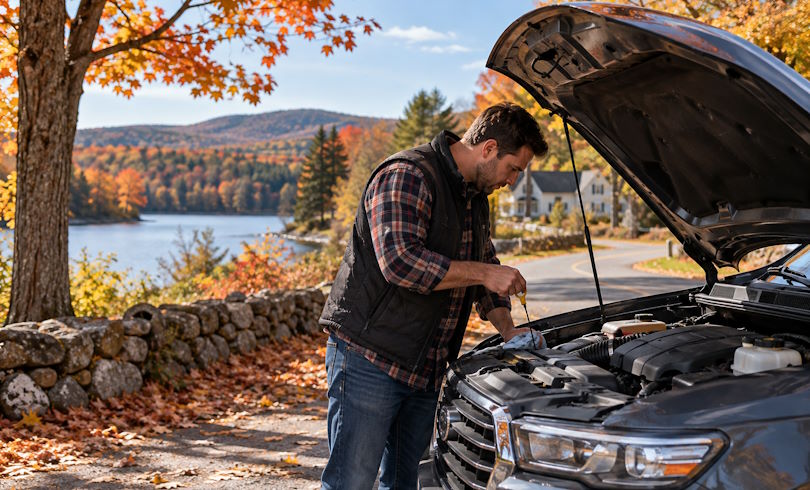
Fall Car Care Tips: How to Prepare Your Vehicle for Colder Weather in Connecticut
As temperatures begin to drop and the leaves change color, fall is the perfect time to give your vehicle some extra attention. While Connecticut’s autumn weather can be beautiful, it also brings cooler mornings, wet roads, falling leaves, and the occasional early frost. Before long, snow, ice, and freezing temperatures will follow.
Taking care of a few important maintenance tasks now can help prevent unexpected breakdowns, improve safety, and keep your vehicle running reliably throughout the colder months.
At Paul’s Auto Repair in East Hartford, CT, we know how quickly New England weather can change. Whether you’re commuting to work, driving the kids to school, or preparing for holiday travel, these fall car care tips can help ensure your vehicle is ready for whatever the season brings.
1. Check Your Tires Before Temperatures Drop
One of the most important fall car maintenance tasks is checking your tires.
As outdoor temperatures decrease, tire pressure naturally drops. A general rule of thumb is that tire pressure can decrease by approximately 1 PSI for every 10°F drop in temperature.
Underinflated tires can negatively affect handling, fuel efficiency, and tire wear.
What to Check
- Tire pressure: Check pressure when the tires are cold and inflate them to the vehicle manufacturer’s recommended PSI, typically listed on the driver’s door jamb.
- Tread depth: Inspect your tires for worn or uneven tread. Although 2/32 of an inch is the legal minimum tread depth in many states, replacing tires before reaching that point can improve traction in wet and snowy conditions.
- Uneven wear: Unusual tire wear may indicate alignment, suspension, or inflation problems.
- Tire condition: Look for cracks, bulges, punctures, or other visible damage.
Should You Switch to Winter Tires?
If you regularly drive through snow, ice, or steep terrain during Connecticut winters, dedicated winter tires may provide better traction than standard all-season tires.
Winter tires use specialized rubber compounds and tread designs intended to perform better in cold conditions.
Fall is a good time to schedule a tire inspection and determine whether winter tires make sense for your driving habits.
2. Test Your Car Battery
Cold weather can expose weaknesses in an aging battery. A battery that starts your vehicle without trouble during summer may struggle once temperatures drop.
Most conventional car batteries last approximately three to five years, although lifespan varies depending on driving habits, climate, and maintenance.
Signs Your Battery May Need Attention
- Slow engine cranking
- Difficulty starting on cold mornings
- Dim headlights
- Corrosion around battery terminals
- Electrical accessories behaving inconsistently
- A battery warning light on the dashboard
A professional battery test can evaluate the battery’s condition and help determine whether replacement is necessary before winter.
It’s also important to inspect the charging system, since alternator problems can sometimes produce symptoms similar to a failing battery.
3. Inspect Your Brakes Before Wet and Icy Roads Arrive
Connecticut’s fall weather frequently brings rain, damp leaves, and slippery road conditions.
Your vehicle’s braking system should be in good condition before winter driving becomes a daily concern.
Warning Signs of Brake Problems
Pay attention to:
- Squealing or grinding noises
- Vibrations when braking
- A soft or spongy brake pedal
- The vehicle pulling to one side
- Increased stopping distances
- Brake warning lights
A professional brake inspection can identify worn pads, damaged rotors, sticking calipers, and other potential problems.
Don’t wait until the first snowfall to address braking concerns.
4. Check Your Heating and Defrosting Systems
A properly functioning heating system is about more than comfort.
Your vehicle’s defroster plays an important role in maintaining visibility during cold, damp weather.
If your windshield takes an unusually long time to clear or your heater isn’t producing sufficient warmth, there may be an underlying issue.
Common Heating and Defrosting Problems
- Low coolant levels
- Thermostat problems
- Heater core issues
- Blower motor malfunctions
- Clogged cabin air filters
- Airflow control problems
Testing your heating and defrosting systems during fall gives you time to address problems before freezing temperatures arrive.
5. Inspect Windshield Wipers and Washer Fluid
Falling leaves, autumn rain, road grime, and early frost can make windshield visibility challenging.
Worn windshield wipers may leave streaks, skip across the glass, or fail to clear water effectively.
Fall Windshield Maintenance Tips
- Replace wiper blades that streak, chatter, or leave areas uncleared.
- Inspect the windshield for chips or cracks.
- Clean leaves and debris from the base of the windshield.
- Check windshield washer fluid levels.
- Switch to washer fluid rated for freezing temperatures before winter.
Avoid using plain water in your washer fluid reservoir during cold weather, as it can freeze and potentially damage the system.
6. Check Your Engine Oil and Other Fluids
Routine fluid maintenance is essential throughout the year, but fall is an especially good time to review your vehicle’s maintenance schedule.
Important Fluids to Inspect
Engine Oil: Make sure your oil is at the proper level and that you’re using the manufacturer-recommended oil viscosity. Modern vehicles often require specific oil grades designed for cold-weather performance.
Engine Coolant: Your cooling system protects the engine from overheating and freezing. Proper coolant concentration is important as temperatures drop.
Brake Fluid: Brake fluid absorbs moisture over time, which can affect braking system performance. Follow your vehicle manufacturer’s recommended replacement interval.
Transmission Fluid: Check for leaks or service needs according to the manufacturer’s maintenance schedule.
Power Steering Fluid: If your vehicle uses a hydraulic power steering system, inspect the fluid level and condition.
A professional fluid inspection can help identify leaks, contamination, and overdue maintenance.
7. Remove Leaves and Debris From Your Vehicle
Autumn leaves may look harmless, but allowing them to accumulate around your vehicle can cause problems.
Leaves can collect near windshield cowl drains, sunroof drainage channels, and other areas designed to direct water away from the vehicle.
When these passages become clogged, water may accumulate and potentially enter areas where it doesn’t belong.
Areas to Keep Clean
- Windshield cowl and drainage areas
- Sunroof drainage openings
- Door seals and weatherstripping
- Hood and trunk openings
- Exterior air intake areas
Regularly removing leaves and debris can help prevent drainage issues and reduce the risk of moisture-related problems.
8. Inspect Your Lights as Daylight Hours Get Shorter
As fall progresses, Connecticut drivers spend more time traveling in darkness.
Headlights, taillights, brake lights, and turn signals should all function properly.
What to Inspect
- Low-beam and high-beam headlights
- Brake lights
- Turn signals
- Reverse lights
- Parking lights
- Fog lights, if equipped
Also inspect headlight lenses for cloudiness or discoloration that may reduce light output.
Properly functioning lights help you see the road and make your vehicle more visible to other drivers.
9. Check Belts, Hoses, and the Cooling System
Rubber components naturally deteriorate with age and exposure to heat, chemicals, and environmental conditions.
Fall is a good opportunity to inspect engine belts and hoses for signs of wear.
Warning Signs Include
- Cracked or frayed belts
- Squealing noises from the engine
- Bulging or leaking coolant hoses
- Visible coolant leaks
- Engine overheating
- Unusual coolant odors
A damaged belt or failed cooling system component can leave you stranded, especially during colder weather.
Replacing worn components before they fail can help prevent unexpected breakdowns.
10. Prepare an Emergency Kit for Winter Driving
Even a well-maintained vehicle can experience unexpected problems.
Keeping a few emergency supplies in your car can be especially helpful during Connecticut’s fall and winter months.
Recommended Emergency Supplies
- Ice scraper and snow brush
- Jumper cables or portable jump starter
- Flashlight with working batteries
- Warm blanket and extra clothing
- Phone charger
- First-aid kit
- Reflective warning triangles
- Small shovel
- Bottled water and nonperishable snacks
- Traction aids for snowy conditions
If you regularly travel through rural areas or take longer winter trips, consider keeping additional emergency supplies in your vehicle.
Fall Car Maintenance Checklist
Before Connecticut’s colder weather arrives, use this simple checklist to help prepare your vehicle.
| Maintenance Task | What to Do |
|---|---|
| Tires | Check pressure, tread depth, and overall condition |
| Battery | Test battery health and inspect terminals |
| Brakes | Inspect pads, rotors, and braking performance |
| Heating System | Test cabin heat and windshield defrosters |
| Windshield Wipers | Replace worn blades and check washer fluid |
| Engine Oil | Check oil level and maintenance schedule |
| Coolant | Verify proper coolant level and freeze protection |
| Lights | Inspect headlights, brake lights, and signals |
| Belts and Hoses | Check for cracks, leaks, and wear |
| Exterior Drainage | Remove leaves and debris |
| Emergency Kit | Restock supplies for colder weather |
Completing these fall vehicle maintenance tasks can help reduce the likelihood of unexpected repairs and improve your confidence behind the wheel.
Schedule Your Fall Car Maintenance at Paul’s Auto Repair in East Hartford, CT
Fall is one of the best times to prepare your vehicle for the challenges of New England winter driving.
From battery testing and brake inspections to fluid services, tire maintenance, and engine diagnostics, preventative maintenance can help identify potential issues before they become expensive repairs.
At Paul’s Auto Repair in East Hartford, CT, we help local drivers keep their vehicles dependable throughout every season.
Whether your vehicle needs routine maintenance or you’re concerned about a potential mechanical problem, our experienced technicians are here to help.
Explore our auto repair services or contact Paul’s Auto Repair to schedule an appointment.
Don’t wait for the first snowfall. Get your vehicle ready for colder weather with a fall maintenance inspection at Paul’s Auto Repair.