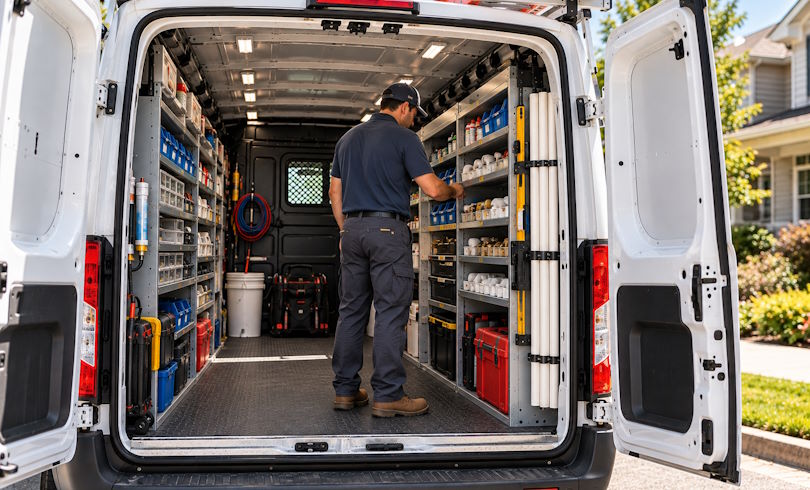
For professional plumbers, a dependable work van is practically a mobile workshop. From transporting pipes and fittings to organizing tools and carrying heavy equipment, the right plumbing van can make everyday jobs easier, more efficient, and more profitable.
Whether you’re an independent plumber or managing a fleet of service vehicles, choosing the right van is only part of the equation. Proper organization, preventative maintenance, and timely repairs are equally important for keeping your business running smoothly.
At Paul’s Auto Repair in East Hartford, CT, we understand how important reliable transportation is for local contractors and service professionals. In this guide, we’ll explore some of the best plumbing vans, essential storage and organization features, and maintenance tips to help keep your work vehicle on the road.
What Makes a Good Plumbing Van?
Not every commercial van is equally suited for plumbing work. The best plumber van should provide enough room for equipment, offer dependable performance, and accommodate the specific needs of your business.
Here are several important features to consider.
Cargo Space and Storage Capacity
Plumbers regularly transport a wide variety of equipment, including pipe wrenches, drain cleaning machines, fittings, water heaters, and replacement parts.
A plumbing van should provide sufficient cargo space for these supplies while allowing technicians to access frequently used tools without unloading everything.
High-roof vans can be especially convenient because they allow many technicians to stand upright while organizing equipment.
Payload Capacity
Plumbing equipment can be surprisingly heavy. Drain cleaning machines, water heaters, pipe inventory, shelving systems, and toolboxes all contribute to a van’s total payload.
Before purchasing a plumbing work van, verify its payload rating and account for the weight of passengers, tools, materials, and any installed shelving or equipment.
Reliability and Operating Costs
A plumbing van that frequently breaks down can lead to missed appointments, frustrated customers, and lost revenue.
Consider fuel economy, maintenance requirements, replacement parts availability, and long-term repair costs when evaluating different vehicles.
Accessibility and Convenience
Sliding side doors, wide rear openings, interior lighting, and well-designed shelving can make a significant difference during a busy workday.
A van that’s easy to load, unload, and organize can help technicians spend less time searching for supplies and more time completing jobs.
Best Plumbing Vans for Contractors and Service Businesses
Several commercial vans are popular choices among plumbers because of their cargo capacity, configuration options, and suitability for professional upfitting.
1. Ford Transit: A Versatile Plumbing Service Van
The Ford Transit is a popular option for plumbing contractors who need a customizable commercial vehicle.
Available in multiple roof heights, body lengths, and configurations, the Transit can accommodate everything from basic service equipment to extensive shelving and tool storage systems.
Why plumbers choose the Ford Transit:
- Multiple cargo configurations
- Available high-roof models
- Large cargo area for equipment and materials
- Available all-wheel drive on compatible models
- Wide selection of commercial shelving and storage accessories
Maintenance considerations: Ford Transit vans require regular brake inspections, oil changes, suspension checks, and transmission maintenance. Vans carrying heavy equipment may experience additional wear on tires and suspension components.
2. RAM ProMaster: Easy Access and Practical Cargo Space
The RAM ProMaster is another popular plumbing van, particularly for contractors who prioritize cargo accessibility.
Its front-wheel-drive configuration and relatively low load floor can make it easier to move heavy equipment in and out of the vehicle.
Why plumbers choose the RAM ProMaster:
- Low cargo floor
- Wide cargo area
- Available high-roof configurations
- Front-wheel-drive layout
- Suitable for shelving and storage systems
Maintenance considerations: ProMaster vans should receive regular inspections of their brakes, front suspension, steering components, and drivetrain. Keeping up with manufacturer-recommended fluid services is also important.
3. Mercedes-Benz Sprinter: Spacious and Customizable
The Mercedes-Benz Sprinter is often selected by plumbing businesses that need substantial cargo space or a highly customized mobile workshop.
Its available high-roof and extended-length configurations can accommodate extensive tool storage, pipe racks, and specialized equipment.
Why plumbers choose the Mercedes-Benz Sprinter:
- Spacious cargo configurations
- High-roof options
- Suitable for extensive commercial upfitting
- Available all-wheel-drive configurations on certain models
- Multiple powertrain options depending on model year
Maintenance considerations: Sprinter vans can have higher maintenance and repair costs than some competing models. Depending on the engine, service requirements may include diesel fuel systems, emissions equipment, and specialized diagnostics.
4. Chevrolet Express and GMC Savana: Traditional Work Vans
For plumbing contractors who prefer a traditional, body-on-frame commercial van, the Chevrolet Express and GMC Savana remain worth considering.
These vans have been widely used by service businesses for years and offer familiar layouts for plumbing equipment and storage systems.
Why plumbers choose these vans:
- Traditional commercial van construction
- Available heavy-duty configurations
- Strong aftermarket storage support
- Suitable for equipment-intensive trades
- Established service and parts availability
Maintenance considerations: Depending on age and usage, these vans may require attention to brakes, steering components, suspension systems, transmissions, and cooling systems.
Older commercial vans should also be inspected carefully for corrosion, particularly in Connecticut.
Which Plumbing Van Is Right for Your Business?
The best plumbing van depends on the type of plumbing services you provide, the amount of equipment you carry, and your budget.
| Plumbing Business Type | Suggested Van | Primary Advantage |
|---|---|---|
| Residential plumbing repairs | Ford Transit | Versatile storage configurations |
| Drain cleaning services | RAM ProMaster | Accessible cargo area for equipment |
| Commercial plumbing contractors | Mercedes-Benz Sprinter | Large cargo capacity |
| Independent plumbers | Chevrolet Express | Traditional, practical work van |
| Multi-technician plumbing businesses | Ford Transit or RAM ProMaster | Customizable fleet configurations |
These recommendations are general starting points. Compare vehicle-specific payload ratings, operating costs, and equipment requirements before making a purchase.
Plumbing Van Organization: How to Set Up an Efficient Work Vehicle
A well-organized plumber van can save valuable time throughout the workday.
Instead of searching through loose tools and boxes, technicians should be able to quickly locate the equipment and materials needed for each job.
Install Commercial Shelving
Heavy-duty shelving helps keep tools, fittings, and supplies organized.
Adjustable shelves and compartmentalized storage bins can be especially useful for small plumbing components such as connectors, valves, and fittings.
Make sure shelving is properly secured and rated for the weight of the equipment being stored.
Use Dedicated Tool Storage
Pipe wrenches, power tools, drain cleaning equipment, and specialty plumbing tools should have designated storage locations.
Tool drawers, mounted racks, and secured compartments help prevent equipment from shifting while driving.
Add Pipe and Ladder Racks
Long pipes, ladders, and other oversized materials can be difficult to transport inside a standard cargo van.
Interior pipe storage or properly rated exterior racks can help maximize usable cargo space.
Always follow the rack manufacturer’s load limits and secure materials appropriately.
Improve Interior Lighting
Plumbers frequently work early mornings, evenings, and during emergency service calls.
Additional LED cargo lighting can make it easier to locate tools and supplies when natural light is limited.
Keep Heavy Equipment Secure
Drain cleaning machines, water heaters, and other heavy equipment should be properly restrained.
Unsecured equipment can damage the vehicle, shift during braking, or create serious safety hazards.
A professional commercial van upfitter can help ensure storage systems and equipment mounts are installed correctly.
New vs. Used Plumbing Vans: Which Is the Better Investment?
Purchasing a plumbing van represents a significant business expense, particularly for smaller contractors.
New vans generally offer modern safety features, manufacturer warranty coverage, and the ability to customize the vehicle before putting it into service.
However, used plumbing vans can provide substantial upfront savings.
If you’re considering a used commercial van, pay close attention to its maintenance history and previous operating conditions.
A van with relatively low mileage may still have experienced substantial engine idling, frequent stops, and heavy cargo loads.
Before buying, consider having a qualified mechanic inspect:
- Engine and transmission condition
- Brake pads, rotors, and calipers
- Steering and suspension components
- Tires and wheel alignment
- Cooling system
- Electrical and charging systems
- Undercarriage corrosion
- Evidence of fluid leaks
- Previous shelving or equipment modifications
A professional pre-purchase inspection can help identify potential repair expenses before you commit to the vehicle.
Essential Plumbing Van Maintenance Tips
Plumbing vans often experience demanding driving conditions. Frequent stops, short trips between job sites, extended idling, and heavy cargo loads can all contribute to accelerated wear.
Preventative maintenance is one of the most effective ways to reduce unexpected breakdowns and protect your investment.
Follow the Manufacturer’s Maintenance Schedule
Routine oil changes, fluid inspections, and scheduled services are essential for engine longevity.
Plumbing vans that operate under severe-duty conditions may require more frequent maintenance than vehicles used primarily for highway commuting.
Inspect Brakes Frequently
A fully loaded plumbing van places additional demands on its braking system.
Worn brake pads, damaged rotors, or sticking calipers can compromise braking performance and lead to more expensive repairs.
Monitor Tires and Suspension
Heavy equipment, uneven cargo distribution, and frequent stops can contribute to tire wear and suspension problems.
Regularly inspect tire pressure, tread depth, shocks, struts, and steering components.
Maintain the Cooling System
Cooling system problems can quickly sideline a work vehicle.
Routine inspections of coolant levels, hoses, radiators, and related components can help identify issues before they lead to overheating.
Address Check Engine Lights Promptly
Ignoring a check engine light can allow relatively minor problems to develop into more serious mechanical issues.
Professional diagnostics can identify problems involving ignition systems, fuel delivery, emissions components, and other vehicle systems.
Keep Up With Transmission Maintenance
Commercial vans frequently operate with substantial cargo loads and repeated stop-and-go driving.
These conditions can increase stress on transmission components.
Following the manufacturer’s recommended transmission service intervals can help protect drivetrain performance.
How Long Should a Plumbing Van Last?
The lifespan of a plumbing van depends on its make, model, maintenance history, operating conditions, and overall workload.
Many commercial vans can exceed 150,000 to 200,000 miles with proper care, while some remain in service considerably longer.
However, mileage isn’t the only factor that matters.
A plumbing van that spends much of its day idling or making short trips may experience significant engine wear despite accumulating relatively few miles.
Regular maintenance, timely repairs, and avoiding overloading can help extend the useful life of your vehicle.
Keep Your Plumbing Van Running With Paul’s Auto Repair in East Hartford, CT
For plumbing contractors, a broken-down work van can mean canceled service calls, delayed projects, and lost income.
At Paul’s Auto Repair in East Hartford, CT, we understand how important dependable commercial vehicles are to local businesses.
Whether you operate a single plumber van or manage multiple service vehicles, regular maintenance and timely repairs can help minimize downtime and keep your technicians on schedule.
Our team provides a variety of automotive repair and maintenance services, including engine diagnostics, brake repairs, suspension services, and preventative maintenance. Contact us to confirm service availability for your specific commercial van.
Learn more about our auto repair services or contact Paul’s Auto Repair to discuss your plumbing van’s maintenance and repair needs.
Your plumbing van works hard for your business. Make sure it gets the maintenance it needs to keep working for you.