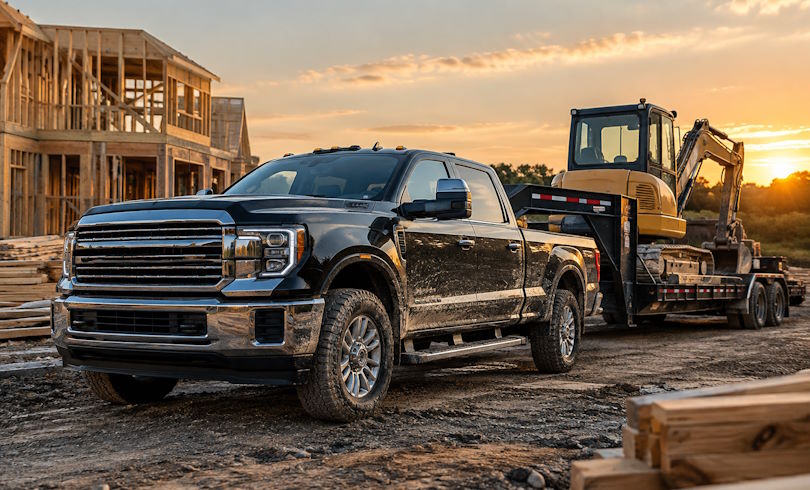
For contractors, a pickup truck is more than just transportation. It’s an essential piece of equipment that helps get the job done. Whether you’re hauling construction materials, towing equipment, transporting tools, or traveling between job sites, having a dependable work truck can make a major difference in productivity.
But not every pickup truck is built for the same demands. Heavy-duty trucks offer increased towing capabilities, higher payload capacities, and more robust components designed to handle demanding workloads.
At Paul’s Auto Repair in East Hartford, CT, we understand how important dependable vehicles are for contractors and business owners. Let’s explore some of the best heavy-duty pickup trucks for contractors, what makes them suitable for different trades, and how to keep them running reliably.
What Makes a Good Heavy-Duty Work Truck?
Before comparing specific trucks, it’s important to understand what contractors should prioritize when choosing a vehicle.
Towing Capacity
Contractors frequently need to tow trailers carrying equipment, machinery, or building materials. A truck’s towing capacity determines how much weight it can safely pull when properly equipped.
For landscapers, excavators, and construction contractors, towing capability may be one of the most important considerations.
Payload Capacity
Payload refers to the total weight a truck can carry, including passengers, tools, materials, and cargo.
For contractors transporting heavy equipment or supplies in the truck bed, payload capacity can be just as important as towing capacity.
Reliability and Maintenance Costs
A work truck that spends too much time in the repair shop can quickly become a financial burden.
When evaluating heavy-duty pickups, consider maintenance requirements, repair costs, parts availability, and the vehicle’s overall reliability history.
Bed Size and Storage
Contractors often need room for ladders, lumber, power tools, and other supplies.
Long-bed configurations, utility bodies, ladder racks, and organized tool storage can significantly improve efficiency on the job.
1. Ford F-250 and F-350 Super Duty: Great for Construction Contractors
Ford Super Duty trucks are popular choices among construction professionals, electricians, plumbers, and other tradespeople who need dependable hauling and towing capabilities.
Available gasoline V8 engines and Power Stroke diesel configurations provide options for different workloads.
Why Contractors Choose Ford Super Duty
- Strong towing and payload capabilities
- Available diesel engines for demanding towing applications
- Multiple cab and bed configurations
- Compatibility with utility bodies and commercial accessories
- Broad parts and service availability
Best suited for: General contractors, construction companies, equipment operators, and tradespeople who regularly transport heavy materials.
Maintenance Considerations
Heavy-duty Ford trucks require regular attention to brakes, suspension components, cooling systems, and transmissions.
Diesel-powered models also require specialized maintenance involving fuel filtration, turbochargers, and emissions equipment.
If you operate a diesel Ford work truck, learn more about our Ford Power Stroke repair services.
2. RAM 2500 and 3500: Excellent for Contractors Who Tow Heavy Equipment
RAM heavy-duty pickups are another strong option for contractors, particularly those who frequently tow equipment trailers.
Available Cummins turbo-diesel engines offer substantial low-end torque, making these trucks attractive for demanding hauling applications.
Why Contractors Choose RAM Heavy-Duty Trucks
- Available Cummins diesel power
- Strong towing capabilities
- Comfortable interiors for long workdays
- Multiple configurations for different commercial needs
- Good options for hauling equipment and materials
Best suited for: Excavation contractors, landscapers, equipment operators, and businesses that frequently tow heavy trailers.
Maintenance Considerations
RAM heavy-duty trucks may require attention to steering and suspension components, transmission operation, fuel systems, and diesel emissions equipment.
Contractors who frequently tow should pay particular attention to drivetrain maintenance and manufacturer-recommended service intervals.
3. Chevrolet Silverado 2500HD and 3500HD: Versatile Work Trucks
Chevrolet’s Silverado HD lineup offers contractors a combination of hauling capability, towing performance, and everyday practicality.
Available gasoline V8 and Duramax diesel engines provide flexibility for different business needs.
Why Contractors Choose Chevrolet Silverado HD
- Strong towing and hauling capabilities
- Available Duramax diesel engine
- Multiple cab, bed, and chassis configurations
- Comfortable highway driving
- Suitable for a wide variety of trades
Best suited for: HVAC technicians, electricians, plumbers, general contractors, and landscaping businesses.
Maintenance Considerations
Contractors should monitor brake wear, suspension components, transmission performance, and cooling systems.
Diesel models also require regular fuel system and emissions-related maintenance.
Which Heavy-Duty Pickup Truck Is Best for Your Trade?
Different contracting businesses have different transportation needs. A truck that works well for an electrician may not be the best option for an excavation contractor.
| Contractor Type | Recommended Truck Type | Primary Considerations |
|---|---|---|
| General contractors | Ford F-250 or Chevy 2500HD | Payload, bed space, versatility |
| Landscaping contractors | RAM 2500 or Ford F-350 | Trailer towing, durability |
| Excavation contractors | Ford F-350 or RAM 3500 | Heavy towing, diesel torque |
| Electricians | Chevy 2500HD or Ford F-250 | Tool storage, utility body compatibility |
| Plumbers and HVAC contractors | Ford F-250 or Chevy 2500HD | Equipment storage, payload |
| Roofing contractors | RAM 3500 or Ford F-350 | Heavy material hauling, payload |
These are general recommendations. The best configuration depends on actual loaded trailer weights, equipment requirements, and the manufacturer’s vehicle-specific ratings.
Gas vs. Diesel: Which Is Better for Contractors?
One of the biggest decisions when purchasing a heavy-duty work truck is choosing between gasoline and diesel.
Gasoline Work Trucks
Gas-powered heavy-duty pickups are often a practical choice for contractors who primarily transport tools and materials or only occasionally tow heavy equipment.
Advantages include:
- Lower initial purchase costs
- Generally less expensive routine maintenance
- Simpler emissions systems
- Suitable for shorter trips and local job sites
Diesel Work Trucks
Diesel-powered trucks can be especially useful for contractors who regularly tow heavy trailers or operate under demanding conditions.
Advantages include:
- Strong low-end torque
- Excellent performance when towing heavy loads
- Potentially better fuel efficiency under demanding workloads
- Well suited to frequent highway towing
However, diesel trucks generally cost more to purchase and may require more expensive repairs.
For contractors who spend most of their time driving short distances between local job sites, a gasoline-powered truck may offer better overall value.
Should Contractors Buy a New or Used Heavy-Duty Pickup?
Buying a used heavy-duty truck can help reduce upfront expenses, but it’s important to carefully evaluate its condition.
Commercial vehicles often experience more demanding use than personal vehicles, including extended idling, frequent towing, heavy payloads, and stop-and-go driving.
Before purchasing a used work truck, consider inspecting:
- Engine and transmission condition
- Suspension and steering components
- Brake pads, rotors, and hydraulic systems
- Frame and undercarriage corrosion
- Trailer hitch and towing equipment
- Four-wheel-drive system
- Diesel fuel and emissions systems
- Maintenance and repair history
A professional pre-purchase inspection can help identify costly issues before they become your responsibility.
How to Keep Your Contractor Work Truck Running Longer
Contractors rely on their trucks every day, making preventative maintenance particularly important.
Here are several ways to help extend the life of a heavy-duty pickup.
Follow Severe-Duty Maintenance Schedules
Work trucks that frequently tow, idle for extended periods, or operate under heavy loads may require more frequent maintenance than vehicles used for normal commuting.
Always follow the manufacturer’s recommended service schedule for your specific operating conditions.
Inspect Brakes Regularly
Heavy loads and frequent towing place additional stress on braking systems.
Worn brake pads, damaged rotors, and sticking calipers can affect stopping performance and increase repair costs.
Maintain the Cooling System
Heavy-duty engines generate substantial heat, especially when towing equipment or operating under demanding conditions.
Regular cooling system inspections can help identify leaks, worn hoses, and other potential problems before overheating occurs.
Monitor Suspension and Steering Components
Constantly hauling heavy materials can accelerate wear on shocks, ball joints, bushings, and steering components.
Routine inspections can help prevent small issues from becoming more expensive repairs.
Don’t Ignore Warning Lights
A check engine light, transmission warning, or diesel emissions alert should be addressed promptly.
Continuing to operate a truck with an unresolved mechanical issue can result in additional damage and unexpected downtime.
Keep Your Contractor Work Truck on the Road With Paul’s Auto Repair
For contractors, unexpected vehicle downtime can mean missed appointments, delayed projects, and lost revenue.
At Paul’s Auto Repair in East Hartford, CT, we understand the importance of keeping work trucks reliable and ready for the job.
Our technicians provide maintenance and repair services for a variety of gasoline and diesel vehicles, including Ford Power Stroke trucks.
Whether your work truck needs brake repairs, suspension service, engine diagnostics, or preventative maintenance, we’re here to help keep your business moving.
Explore our diesel mechanic services or contact Paul’s Auto Repair to discuss your truck’s service needs.
Keep your work truck working as hard as you do.